Leakage in transit
Bottles that pass QC but leak after weeks of vibration and temperature fluctuation during road or sea transport.
Aluminium foil sealing liners · Made in Shanghai since 1996
We design and manufacture aluminium foil induction seal liners and closure liners matched to your bottle, your cap and your filling line, in any diameter from 9 to 182 mm, delivered within 14 days.
Free samples, you cover only the courier cost · Reply within 48 hours
The real cost of a liner
A liner is the final barrier between your product and the outside environment. We engineer it around what commonly fails in real-world use.
Bottles that pass QC but leak after weeks of vibration and temperature fluctuation during road or sea transport.
Pesticides, fertilisers and solvent-rich lubricants attack ordinary liners until they fail.
Food and personal-care fills require liners produced under controlled hygiene, not on an open workshop floor.
Each new shipment seals differently, and complaints start arriving from your customers.
Product families
Specified the way buyers purchase: by how the liner seals. Every family is customisable in diameter, thickness, layer build-up and branding.
CORE FAMILY
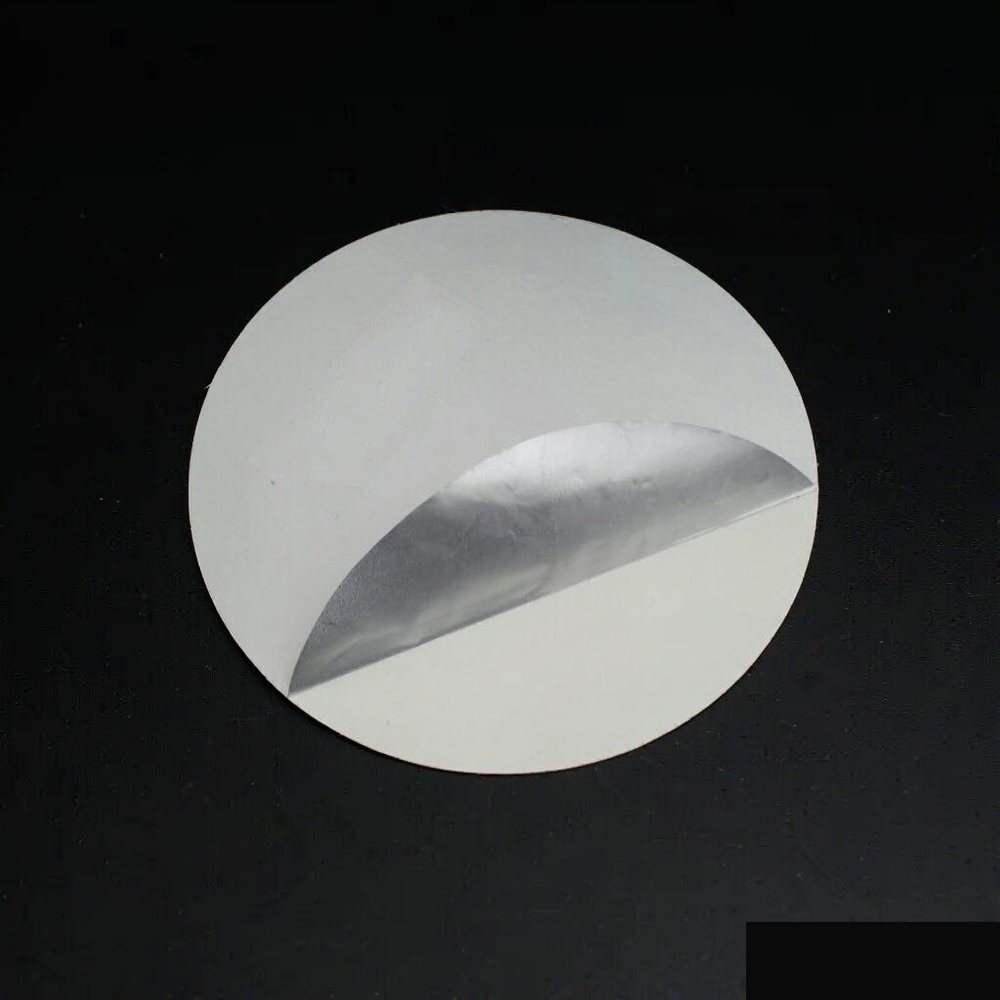
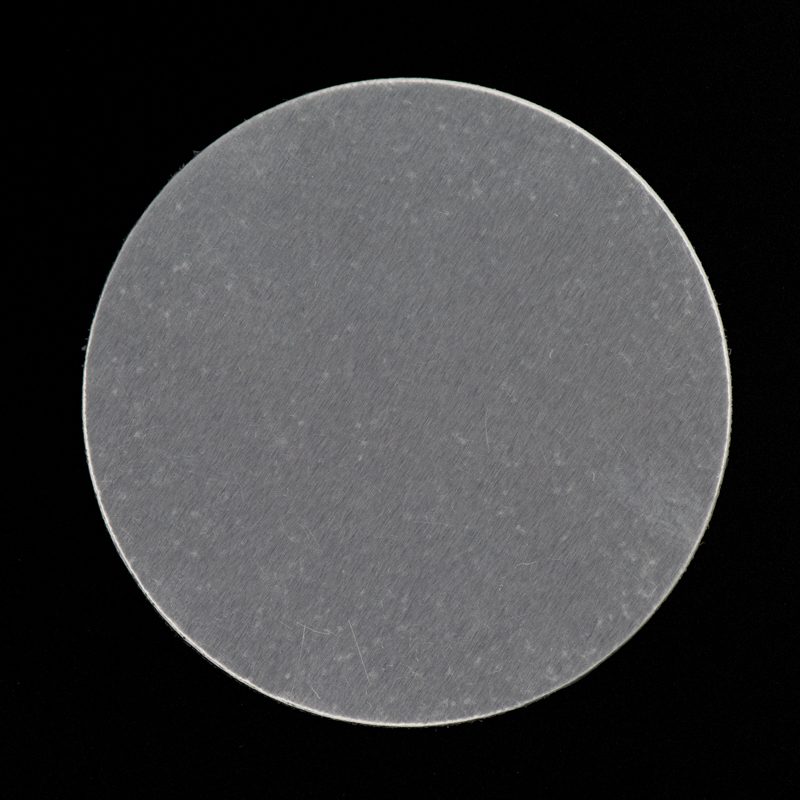
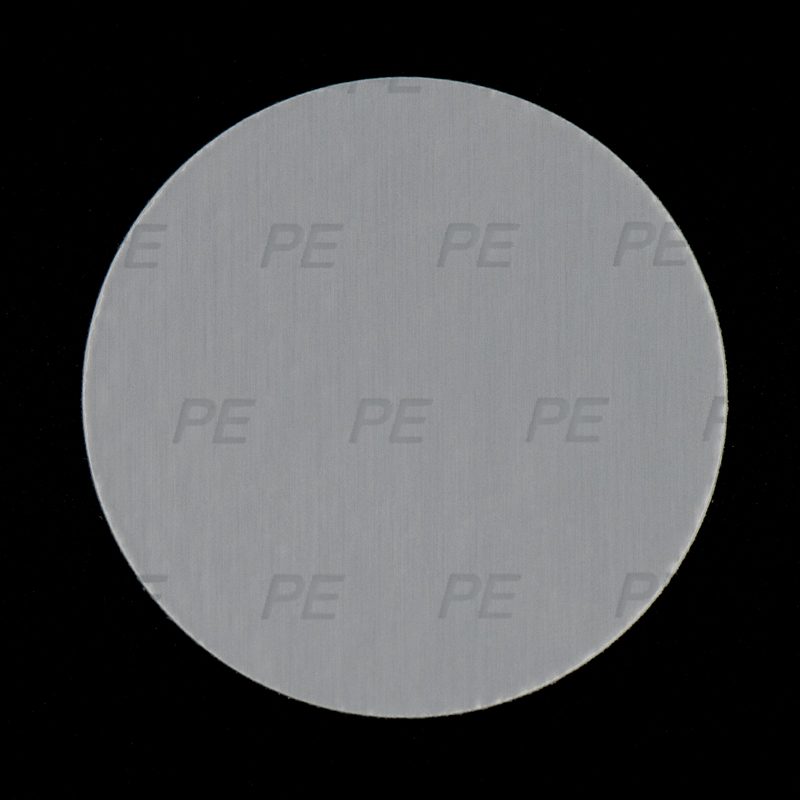
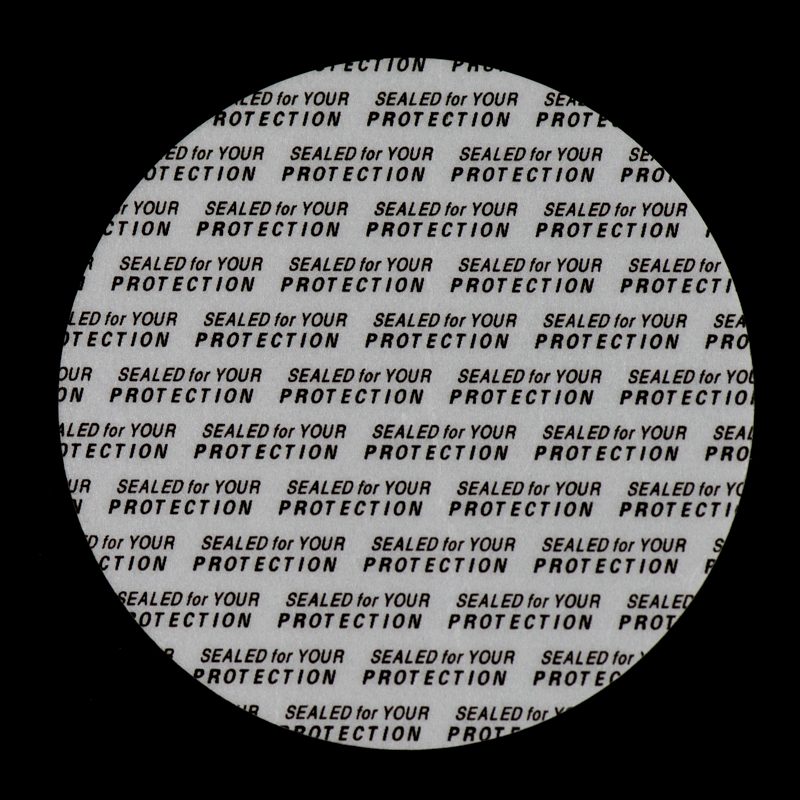
Aluminium-foil liners heat-sealed to the container mouth by induction, in PE, PET, PP and PS grades matched to your bottle polymer. One-piece and two-piece constructions, with optional pull-tab, printing and embossing.
SOLVENT & ACID RESISTANT
COEX and glassy liners that resist solvents, acids and oils, sealing PE, COEX and glass containers for demanding fills.
PULL-TAB OPENING
Easy-open, foam and butterfly pull-tab liners that peel away in one piece, with a clean opening and no residue left on the bottle mouth.
REUSABLE
EPE and LDPE liners that seal by elasticity under the cap, reusable, dust-proof and moisture-proof after opening.
NO MACHINE NEEDED
One-piece PS22 and LB liners that bond to the bottle mouth under cap torque alone, with no induction machine and no heat.
PRESSURE-RELIEVING
Breathable-membrane liners and press-fit vents that allow gas to escape while retaining liquid, preventing bottles from bulging or bursting.
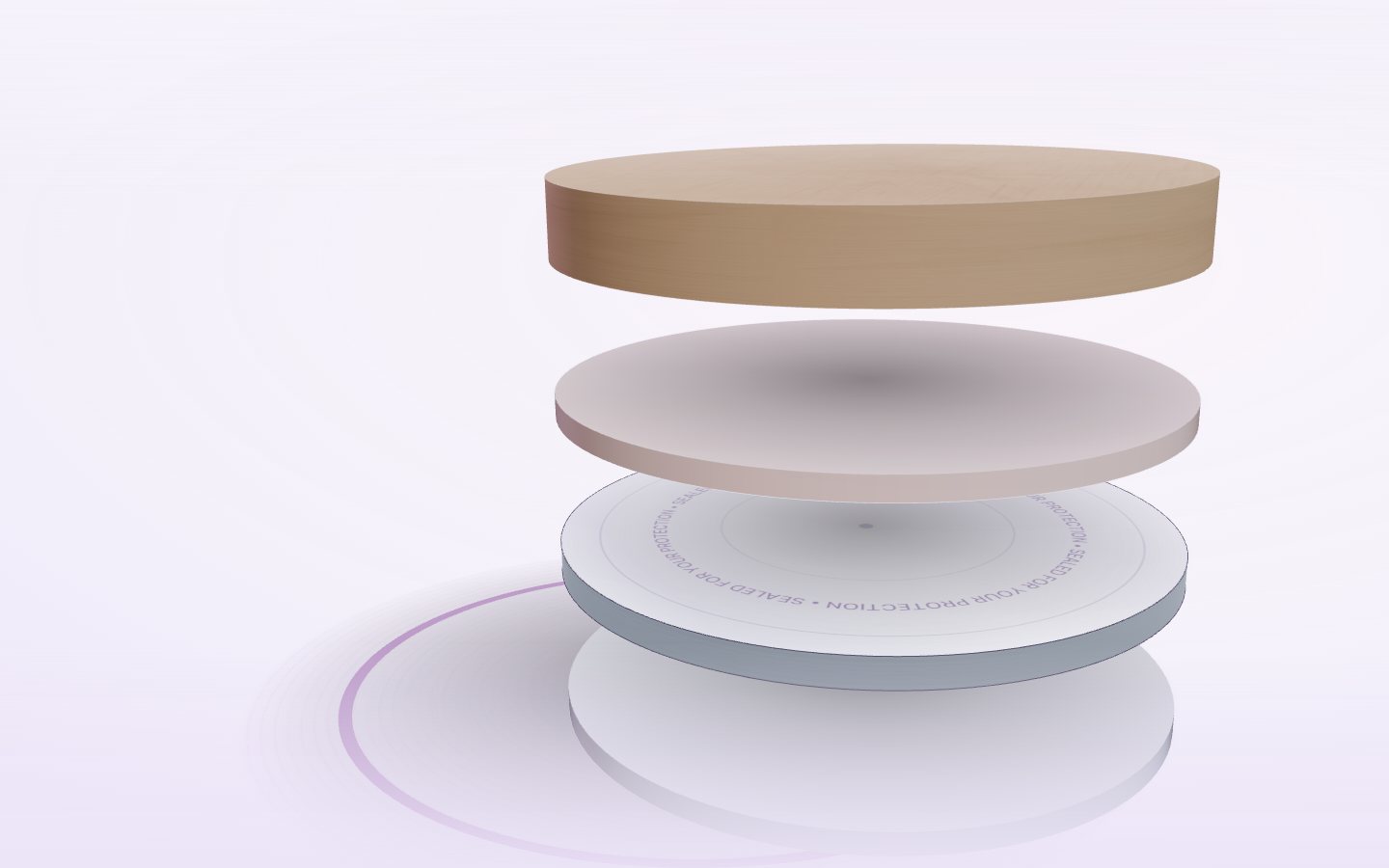
Structure · Two-piece induction seal
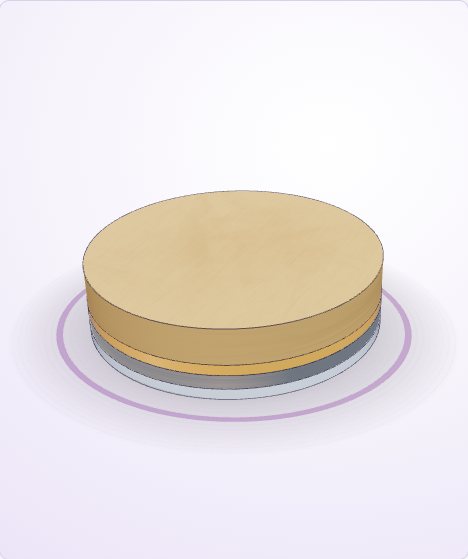
Four bonded layers. Twenty microns of aluminium. One hermetic weld that outlasts the product inside the bottle.
01 / 04
Pulp board · PE foam F-217 · EPP for fuels
Stores the compression that keeps the seal loaded for the shelf life of the product. Board grade for dry fill, foam grade where the container will be squeezed, EPP where the contents attack polyethylene.
02 / 04
Holds the foil flat against the backing while the liner is pressed into the cap. On first opening it lets go, so the foil stays welded to the bottle lip and the backing leaves with the cap.
03 / 04
20 µm
The only active layer in the stack. An alternating field drives eddy currents through it and resistance does the rest: the strip heats, with no contact and nothing else in the pack heated.
04 / 04
PE / PP / PET / PS / glass
Formulated to match the polymer of the container lip. It melts a fraction after the foil, wets the lip, and welds on cooling. Choose the grade by lip material, not by liner size.
The whole product · pull-tab variant shown
The sealing principle
The sealing head never touches the liner. Energy crosses the plastic cap as a magnetic field and only becomes heat where the aluminium is.
An alternating current in the sealing head coil produces a magnetic field. It passes straight through the plastic cap.
The field induces circulating currents in the foil. Nothing happens to the cap, the bottle or the product.
Resistive loss in 20 µm of aluminium heats the strip. The wax layer melts and lets the foil lift free of the backing.
The heat seal lacquer melts against the container lip and fuses with the polymer under light head pressure.
The weld sets in about a second. On first opening the backing leaves with the cap and the foil stays on the bottle as tamper evidence.
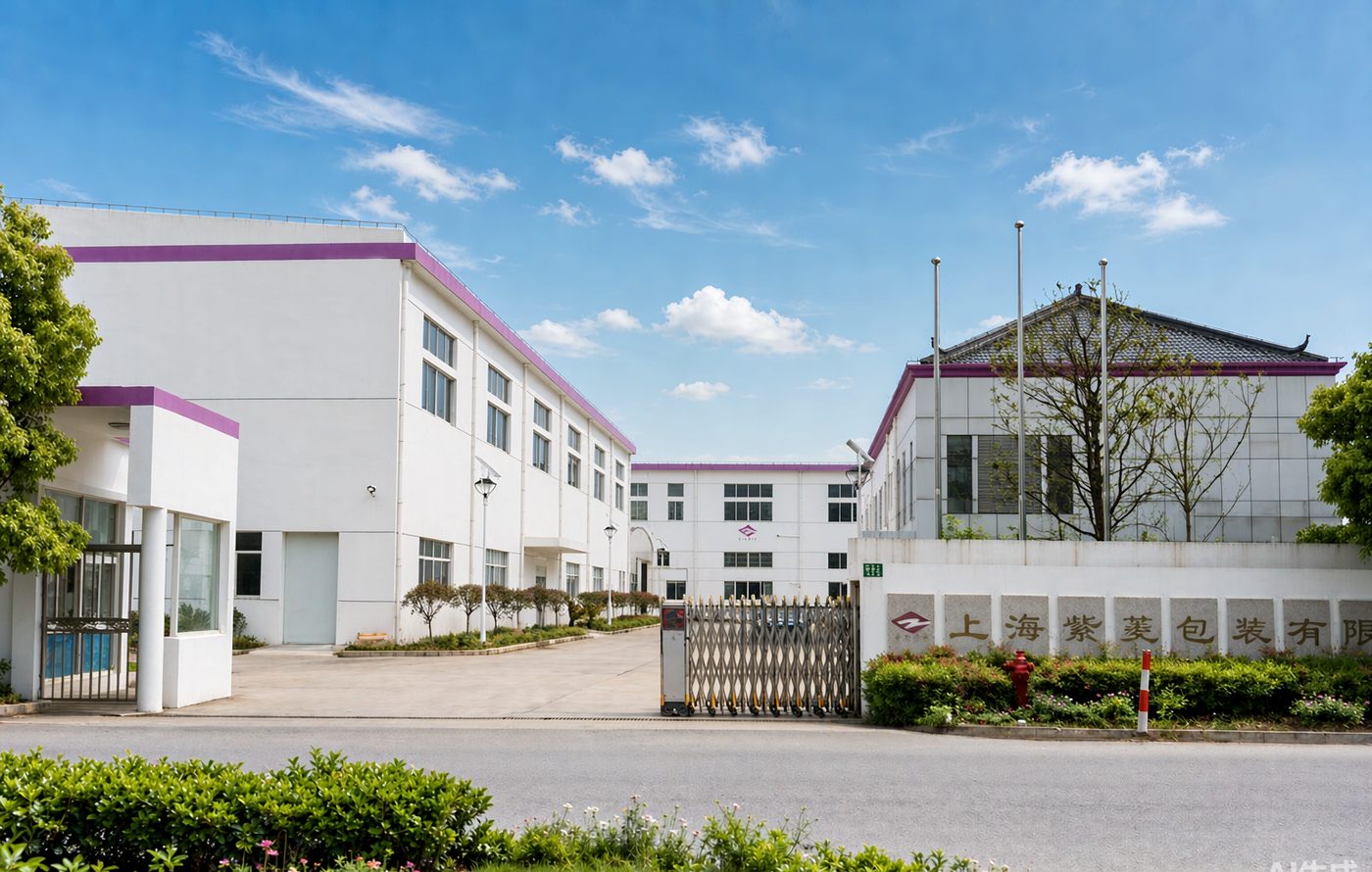
Inside the factory
Every stage of production is completed in-house, from lamination and unwind to rotary die cutting, matrix stripping, counting and packing, plus cleanroom assembly and laboratory inspection.
ISO 9001 certified quality management system


Quality you can verify
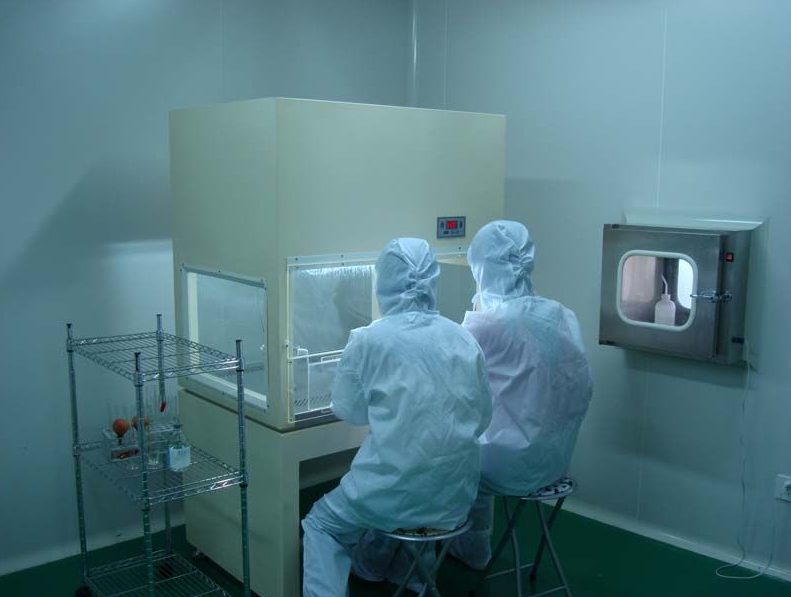
A 1,000 m² Class-100,000 cleanroom for hygiene-sensitive fills, liners for food and personal care are made under controlled conditions.
Our own 150 m² physics and microbiology laboratory checks every batch before it leaves the plant.
Raw-material lot traceability and locked recipes, the liner you approved is the liner you receive, batch after batch.
Fit any container
If your bottle mouth is a standard size, we already manufacture it. If not, we custom die-cut to your specifications.
Industries we serve
Regardless of the contents, reliability remains constant.
High-barrier and embossed liners proven on lubricant bottles
Solvent-resistant and vented structures for pesticide formulations
Pressure-relieving liners that prevent bottles from bulging in transit
Cleanroom-made liners for hygiene-sensitive daily fills
Tamper-evident induction seals for sauces, honey and jam in glass jars
How we work
Because every container, cap and filling line is different, we do not quote blindly, we match the structure first.
Bottle-mouth drawing or photo, cap type and contents, that is sufficient to begin.
We reply within 48 hours with a proposed layer build-up.
Sample liners made in your diameter, free of charge, you cover only the courier cost.
Small trial orders welcome, validate the seal on your own equipment first.
Locked formulation, ships within 14 days, exported from Shanghai.
Buyer questions
Tell us what you fill, the container type and your current sealing method. We reply within 48 hours.